Things to Do in Kyoto: Temples, Gardens and How to Beat the Crowds
The best things to do in Kyoto and when to go: Fushimi Inari at dawn, Kiyomizu-dera, Gion's evening streets, the bamboo grove and quieter temples.
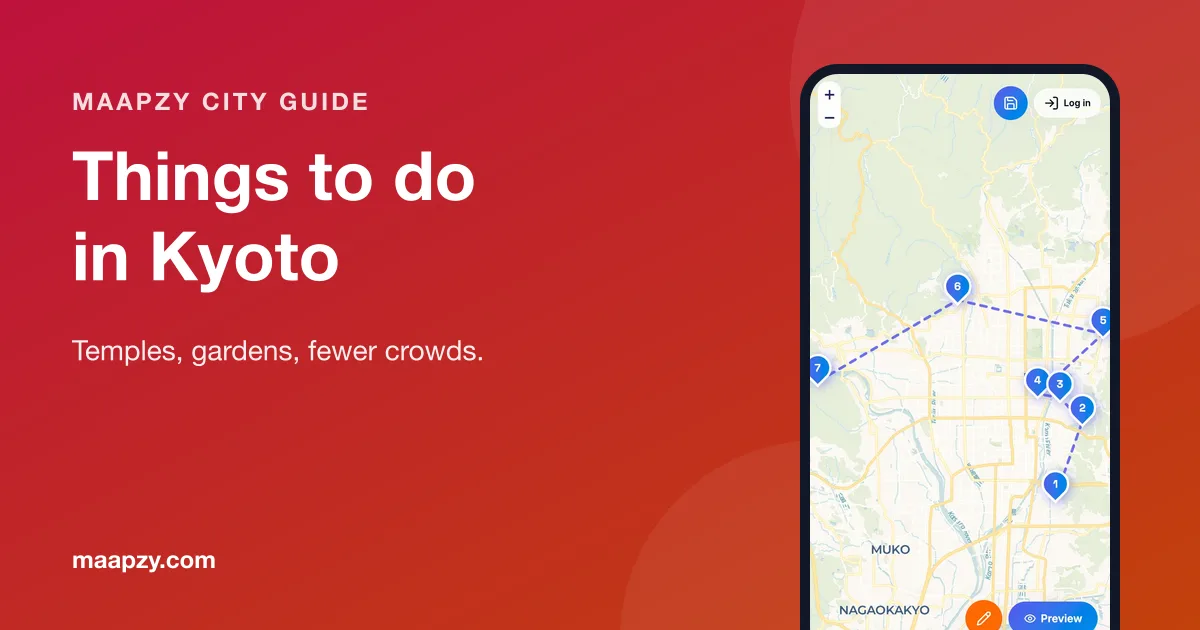
Kyoto was Japan's capital for over a thousand years and has around 1,600 temples and hundreds of shrines. It's also one of the most visited cities in the world, and its most famous sights can be very crowded. With early starts and a few quieter alternatives, though, Kyoto is unforgettable.
Kyoto on the map
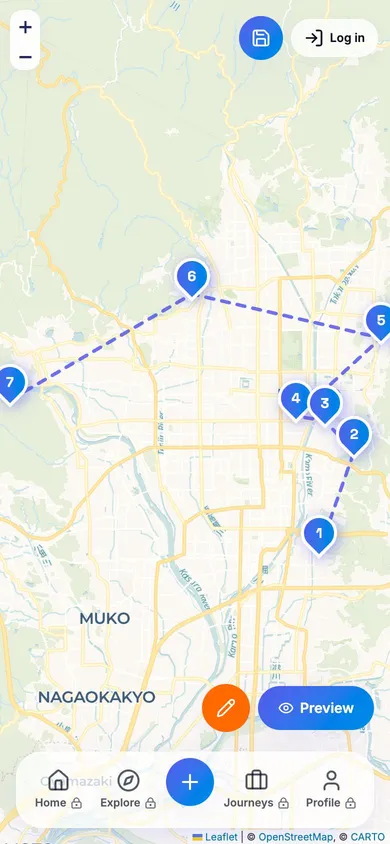
Kyoto is spread out. City buses get very crowded, so use the subway and JR or private railways where you can, and walk between nearby sights. Group your days by area: east (Higashiyama), south (Fushimi), north-west (Kinkaku-ji) and west (Arashiyama). An ICOCA or Suica card works on trains, subways and buses, so you rarely need to buy single tickets, and you can add the card to your phone's wallet.
Fushimi Inari Taisha
Thousands of vermilion torii gates form tunnels up the slopes of Mount Inari. Arrive at sunrise; the shrine is open all the time and free. Most visitors turn back after the first section, so keep climbing for quieter paths and views over the city. The full loop to the summit takes two to three hours.
Kiyomizu-dera and Higashiyama
Kiyomizu-dera's wooden stage juts out over a hillside forest, best seen early in the morning or in autumn colour. Below it, the stone-paved slopes of Sannenzaka and Ninenzaka are lined with traditional shops and tea houses. Continue to Yasaka Shrine and Maruyama Park.
Gion and Pontocho
Gion is Kyoto's famous geiko (geisha) district, with wooden teahouses along Hanamikoji Street and the Shirakawa canal. Visit in the early evening. Some private lanes in Gion now ban photography, with fines for those who ignore the signs, so respect local rules and never follow or stop geiko and maiko. Across the river, Pontocho is a narrow lantern-lit alley of restaurants.
The Philosopher's Path
This stone path follows a canal lined with cherry trees between Ginkaku-ji (the Silver Pavilion) and Nanzen-ji, a large temple with a red-brick aqueduct. It's peaceful outside cherry blossom season, with small temples and cafés along the way.
Kinkaku-ji and Ryoan-ji
Kinkaku-ji, the Golden Pavilion, is covered in gold leaf and reflected in a pond. Nearby, Ryoan-ji has Japan's most famous Zen rock garden. Visit both early on the same morning.
Arashiyama
The bamboo grove at Arashiyama is magical at dawn and packed by mid-morning. Combine it with Tenryu-ji, a temple with a beautiful garden, the Togetsukyo Bridge and the Iwatayama monkey park on a hill above the river. For a quieter bamboo walk, visit the gardens of Okochi Sanso villa.
Nishiki Market and food
- Nishiki Market: a narrow covered market with pickles, tofu, sweets and grilled seafood. Many stalls ask you not to eat while walking.
- Kaiseki: a multi-course seasonal meal, a Kyoto speciality.
- Yudofu: simmered tofu, especially around Nanzen-ji.
- Matcha: try green tea and sweets in Uji, a short train ride south.
- A tea ceremony: book a small session to learn the ritual.
A three-day plan
Day 1 (east): Kiyomizu-dera at opening, then Sannenzaka, Ninenzaka and Yasaka Shrine. Lunch at Nishiki Market, an afternoon at a quieter temple such as Shoren-in, and an evening walk through Gion and Pontocho. Day 2 (north and west): Arashiyama's bamboo grove at sunrise, Tenryu-ji and the monkey park, then the Golden Pavilion and Ryoan-ji in the afternoon. Day 3 (south and the Philosopher's Path): Fushimi Inari at dawn, then the Philosopher's Path from Ginkaku-ji to Nanzen-ji, with time for a tea ceremony or a kaiseki dinner. Staying near Kyoto Station or central Kawaramachi keeps every area within easy reach by train.
A fourth day lets you add Nara and its deer, or the tea town of Uji with its Byodo-in temple, pictured on Japan's 10-yen coin.
How to beat the crowds
- Start at the most famous sites at sunrise.
- Visit smaller temples such as Tofuku-ji, Shoren-in or Honen-in in the middle of the day.
- Stay near a station to make early starts easier.
- Avoid peak cherry blossom and autumn leaf weekends if you can.
Kyoto is the centre of our 12-day Japan itinerary, with easy day trips to Nara and Osaka. Save the temples and restaurants you love in recommendations to plan your days on a map, and see our guide to finding local tips.
Kyoto checklist
- Fushimi Inari at sunrise, climb past the first section
- Kiyomizu-dera and Sannenzaka early
- Evening walk in Gion; respect photography rules
- Philosopher's Path from Ginkaku-ji to Nanzen-ji
- Kinkaku-ji and Ryoan-ji on the same morning
- Arashiyama bamboo grove at dawn
- Lunch at Nishiki Market
- Use trains and walk instead of crowded buses
Frequently asked questions
How many days do you need in Kyoto?
Three to four days covers the main areas, plus a day trip to Nara.
What time should I visit Fushimi Inari?
At sunrise or in the early morning. It's open 24 hours and free, and the upper paths are much quieter.
Can I take photos in Gion?
In public streets, yes, but some private lanes in Gion ban photography and can fine visitors. Never block, follow or photograph geiko and maiko without permission.
How do I get around Kyoto?
Use the subway, JR and private railways plus walking. City buses are useful but can be very crowded at busy times.
Sources
Start your next trip on a map.
Pin a few cities and see what a realistic route looks like — in five minutes, for free.
Open the plannerKeep reading
- Copenhagen Like a Local: Bikes, Harbour Baths, Street Food and HyggeCopenhagen beyond Nyhavn: swim in the harbour, cycle like a Dane, eat at a waterfront street-food market, explore Nørrebro and ski on a power plant.
- Things to Do in Edinburgh: Castles, Volcanoes and Hidden VillagesThe best things to do in Edinburgh: the castle and Royal Mile, a hike up Arthur's Seat, sunset on Calton Hill, Dean Village, Stockbridge and Leith.
- Naples Like a Local: Pizza, Underground Tunnels and the Best ViewsNaples beyond the clichés: old-town streets, a veiled marble Christ, underground Greek tunnels, the best pizza, a funicular to the views and the seafront.