Copenhagen Like a Local: Bikes, Harbour Baths, Street Food and Hygge
Copenhagen beyond Nyhavn: swim in the harbour, cycle like a Dane, eat at a waterfront street-food market, explore Nørrebro and ski on a power plant.
Copenhagen regularly tops lists of the world's happiest and most liveable cities. It's compact, flat and built around water, with clean harbour swimming, world-famous restaurants and more bikes than cars. The best way to enjoy it is to slow down, borrow a bike and live like a local for a few days.
Copenhagen on the map
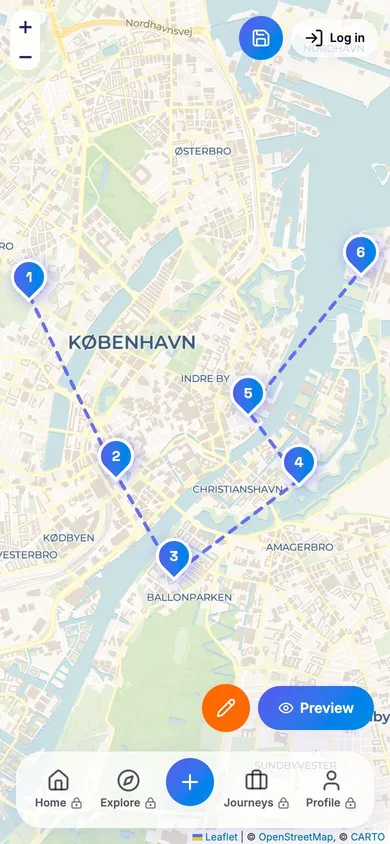
Most sights are within a 20-minute bike ride. City bikes and rental shops are everywhere. The metro runs from the airport to the centre in about 15 minutes, and harbour buses (ferries) are part of the public transport network. A Copenhagen Card covers transport and many museums if you plan a busy few days.
The classics
- 1. Nyhavn: the colourful 17th-century harbour, where Hans Christian Andersen once lived.
- 2. Tivoli Gardens: opened in 1843, one of the oldest amusement parks in the world. Go at dusk when the lights come on.
- 3. Rosenborg Castle: a Renaissance castle with the Danish crown jewels, in a lovely park.
- 4. The Round Tower: climb a spiral ramp instead of stairs to a rooftop viewing platform.
- 5. Amalienborg: the royal palace, with the changing of the guard at noon.
Christianshavn and Christiania
Christianshavn is a canal district with houseboats, cafés and the corkscrew spire of the Church of Our Saviour, which you can climb. Next door, Christiania is a self-governing community founded in 1971 in former army barracks, with colourful homemade houses, art and gardens. Follow local signs and rules, and respect requests not to take photos in some areas.
Swimming in the harbour
- 6. Islands Brygge harbour bath: free outdoor pools in the harbour, packed on sunny days.
- 7. Kalvebod Bølge: wave-shaped wooden walkways where locals swim and sunbathe.
- 8. Sauna culture: floating and waterfront saunas let you warm up between cold dips, even in winter.
- 9. Amager Strandpark: a long city beach a short metro ride away.
Refshaleøen: street food and creativity
This former shipyard island has become one of the city's most creative areas. Reffen, a large waterfront street-food market, is busy from spring to autumn. Nearby are breweries, galleries and some of Copenhagen's best restaurants. Take the harbour bus or bike there.
Nørrebro and Vesterbro
- 10. Jægersborggade: a small street of independent shops, coffee and bakeries.
- 11. Assistens Cemetery: a peaceful park where Hans Christian Andersen and Søren Kierkegaard are buried.
- 12. Superkilen: a colourful urban park celebrating the area's many cultures.
- 13. Kødbyen (Meatpacking District): former butchers' halls turned restaurants and bars in Vesterbro.
- 14. Værnedamsvej: a short, very Parisian street of cafés and wine bars.
Unusual Copenhagen
- 15. CopenHill: a ski slope and hiking trail on the roof of a waste-to-energy power plant.
- 16. GoBoat: rent a small solar-powered boat and picnic while cruising the canals.
- 17. The Little Mermaid: famous and small; combine it with a walk around the star-shaped Kastellet fortress.
- 18. Torvehallerne: two glass food halls with fish, cheese and smørrebrød stalls.
A perfect Copenhagen day
Rent a bike after breakfast and ride to Rosenborg Castle and the King's Garden, then on to Nyhavn and Amalienborg for the noon changing of the guard. Have smørrebrød for lunch at Torvehallerne, cycle over to Christianshavn and climb the spire of the Church of Our Saviour. In the afternoon, swim at Islands Brygge or warm up in a harbour sauna. Take the harbour bus to Reffen for dinner, then end the evening at Tivoli when the lights come on. Every stop is within a few kilometres, so you'll barely notice the distance on a bike.
What to eat and drink
- 19. Smørrebrød: open rye-bread sandwiches with toppings like herring, roast beef or egg and shrimp.
- 20. Kanelsnegl: a cinnamon swirl pastry, best warm from a bakery.
- 21. Hot dogs: Danish pølser from a street stand, with crispy onions.
- 22. New Nordic food: splurge once at a restaurant using seasonal Nordic produce.
- 23. Natural wine and craft beer in Nørrebro and Vesterbro bars.
Day trips
- 24. Louisiana Museum of Modern Art: a stunning seaside museum about 35 minutes north by train.
- 25. Kronborg Castle in Helsingør: the castle that inspired Hamlet, about 45 minutes by train.
Copenhagen is the first stop of our 8-day Scandinavia itinerary, which continues to Malmö, Gothenburg and Oslo. Looking for a similar bike city? See our Amsterdam local spots.
Copenhagen like a local
- Rent a bike for getting around
- Visit Tivoli at dusk
- Swim at the Islands Brygge harbour bath
- Explore Christianshavn and Christiania respectfully
- Eat at Reffen on Refshaleøen (spring to autumn)
- Have smørrebrød for lunch
- Day trip to Louisiana or Kronborg
- Save your favourite spots in recommendations
Frequently asked questions
Is Copenhagen expensive?
Yes, it's one of Europe's pricier cities. Lunch menus, bakeries, street-food markets and free activities like harbour swimming help keep costs down.
Can you swim in Copenhagen harbour?
Yes. The water quality is monitored, and there are several harbour baths, including Islands Brygge, that are free to use.
Do I need to rent a bike in Copenhagen?
It's the best way to get around, but the metro, buses and harbour buses also work well.
How many days do you need in Copenhagen?
Three days covers the main sights, a few neighbourhoods and one day trip.
Sources
Start your next trip on a map.
Pin a few cities and see what a realistic route looks like — in five minutes, for free.
Open the plannerKeep reading
- Things to Do in Edinburgh: Castles, Volcanoes and Hidden VillagesThe best things to do in Edinburgh: the castle and Royal Mile, a hike up Arthur's Seat, sunset on Calton Hill, Dean Village, Stockbridge and Leith.
- Things to Do in Kyoto: Temples, Gardens and How to Beat the CrowdsThe best things to do in Kyoto and when to go: Fushimi Inari at dawn, Kiyomizu-dera, Gion's evening streets, the bamboo grove and quieter temples.
- Naples Like a Local: Pizza, Underground Tunnels and the Best ViewsNaples beyond the clichés: old-town streets, a veiled marble Christ, underground Greek tunnels, the best pizza, a funicular to the views and the seafront.