Things to Do in Valencia: Paella, Parks, Beaches and Futuristic Architecture
The best things to do in Valencia, from the Central Market and a 9 km park in an old riverbed to the City of Arts and Sciences, beaches and real paella.
Valencia has everything Barcelona has, with fewer crowds: a lively old town, a long city beach, bold modern architecture and some of the best food in Spain. It's also the birthplace of paella and horchata, and it hosts one of Europe's wildest festivals.
Valencia on the map
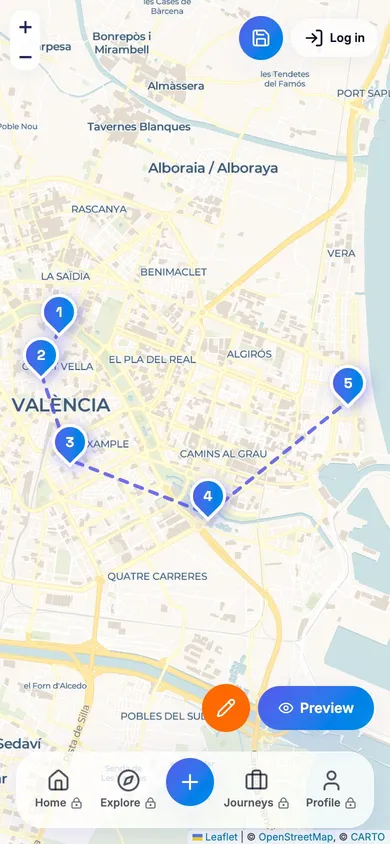
The old town, the Turia Gardens and the beach are all within a bike ride of each other. Valenbisi public bikes, the metro and trams connect everything, and the city is flat.
A good two-day plan: day one in the old town and Central Market, then a bike ride down the Turia Gardens to the City of Arts and Sciences and dinner in Ruzafa. Day two on the beach at El Cabanyal, with a paella lunch, and an evening trip to the Albufera lagoon for sunset. Valencia's metro also links the airport with the centre in about 25 minutes, so it's an easy city to arrive in late.
The old town
- Central Market: one of Europe's largest food markets, in a modernista building of iron, glass and tiles. Go in the morning.
- La Lonja de la Seda: a 15th-century silk exchange and UNESCO World Heritage site, with twisted stone columns.
- Valencia Cathedral: home to a chalice the cathedral venerates as the Holy Grail. Climb the Miguelete tower for views.
- Torres de Serranos and Torres de Quart: two old city gates you can climb.
- El Carmen: a bohemian quarter full of street art, small bars and squares.
The Turia Gardens
After a devastating flood in 1957, Valencia diverted its river and turned the old riverbed into a park about 9 kilometres long. It's now the city's green spine, with running paths, football pitches, orange trees and the giant Gulliver playground, where children climb over a huge figure of the fictional traveller. Rent a bike and ride its length to the sea.
The City of Arts and Sciences
At the end of the Turia Gardens, Santiago Calatrava's gleaming white buildings look like something from the future. The complex includes a science museum, an opera house, a 3D cinema and the Oceanogràfic, one of the largest aquariums in Europe. Even if you don't go inside, walk around the reflecting pools at sunset.
Ruzafa: cafés and nightlife
South of the centre, Ruzafa is Valencia's trendiest neighbourhood, with a neighbourhood market, brunch cafés, vintage shops and some of the best restaurants in the city. It's lively in the evenings, especially at weekends.
El Cabanyal and the beach
El Cabanyal is a former fishermen's quarter with colourful tiled façades. Its streets lead to the wide sandy beaches of Las Arenas and La Malvarrosa. Casa Montaña, a bodega dating back to 1836, is a classic stop for wine and tapas. Take the tram or metro, or cycle the Turia to get there.
How to eat paella properly
- Eat it at lunch, not dinner. Valencians rarely eat paella in the evening.
- Know the original: paella valenciana is made with chicken, rabbit and green beans, not seafood.
- Look for the socarrat, the crispy, caramelised rice at the bottom of the pan.
- Go to the source: El Palmar in the Albufera nature park, about 30 minutes south, has many paella restaurants. Take a boat trip on the lagoon at sunset.
Horchata and other treats
Horchata is a sweet, cold drink made from tiger nuts. Drink it with fartons, long sugary buns for dunking. The village of Alboraya, a short metro ride north, is the home of horchata, and the Mercado de Colón in the centre has a famous horchatería. In autumn and winter, try buñuelos (pumpkin fritters) with hot chocolate.
Las Fallas and when to visit
Every March, from the 15th to the 19th, Las Fallas fills Valencia with huge satirical sculptures, fireworks and daily mascletàs, ear-splitting firecracker displays at 2pm in the town hall square. On the final night, the sculptures are burned in the streets. It's unforgettable but extremely busy; book months ahead. Otherwise, spring and autumn are ideal for beach and city together.
Valencia is under two hours from Madrid by fast train, so it pairs well with our Madrid route or a trip south through Andalusia.
Valencia checklist
- Visit the Central Market in the morning
- See La Lonja and climb a city gate
- Cycle the Turia Gardens to the City of Arts and Sciences
- Have dinner in Ruzafa
- Spend an afternoon on the beach at El Cabanyal
- Eat paella at lunchtime, ideally in the Albufera
- Try horchata with fartons
- Save your finds in recommendations
Frequently asked questions
How many days do you need in Valencia?
Two to three days covers the old town, the Turia Gardens, the City of Arts and Sciences and the beach. Add a day for the Albufera.
What is authentic paella valenciana?
Rice cooked with chicken, rabbit, green beans and butter beans, flavoured with saffron and often rosemary. Seafood paella is popular too, but it's a different dish.
When is Las Fallas?
Every year from 15 to 19 March, with events building up in the weeks before. Book accommodation well in advance.
Is Valencia good for a beach holiday?
Yes. The city beaches of Las Arenas and La Malvarrosa are wide and sandy and easy to reach by tram, metro or bike.
Sources
Start your next trip on a map.
Pin a few cities and see what a realistic route looks like — in five minutes, for free.
Open the plannerKeep reading
- Copenhagen Like a Local: Bikes, Harbour Baths, Street Food and HyggeCopenhagen beyond Nyhavn: swim in the harbour, cycle like a Dane, eat at a waterfront street-food market, explore Nørrebro and ski on a power plant.
- Things to Do in Edinburgh: Castles, Volcanoes and Hidden VillagesThe best things to do in Edinburgh: the castle and Royal Mile, a hike up Arthur's Seat, sunset on Calton Hill, Dean Village, Stockbridge and Leith.
- Things to Do in Kyoto: Temples, Gardens and How to Beat the CrowdsThe best things to do in Kyoto and when to go: Fushimi Inari at dawn, Kiyomizu-dera, Gion's evening streets, the bamboo grove and quieter temples.